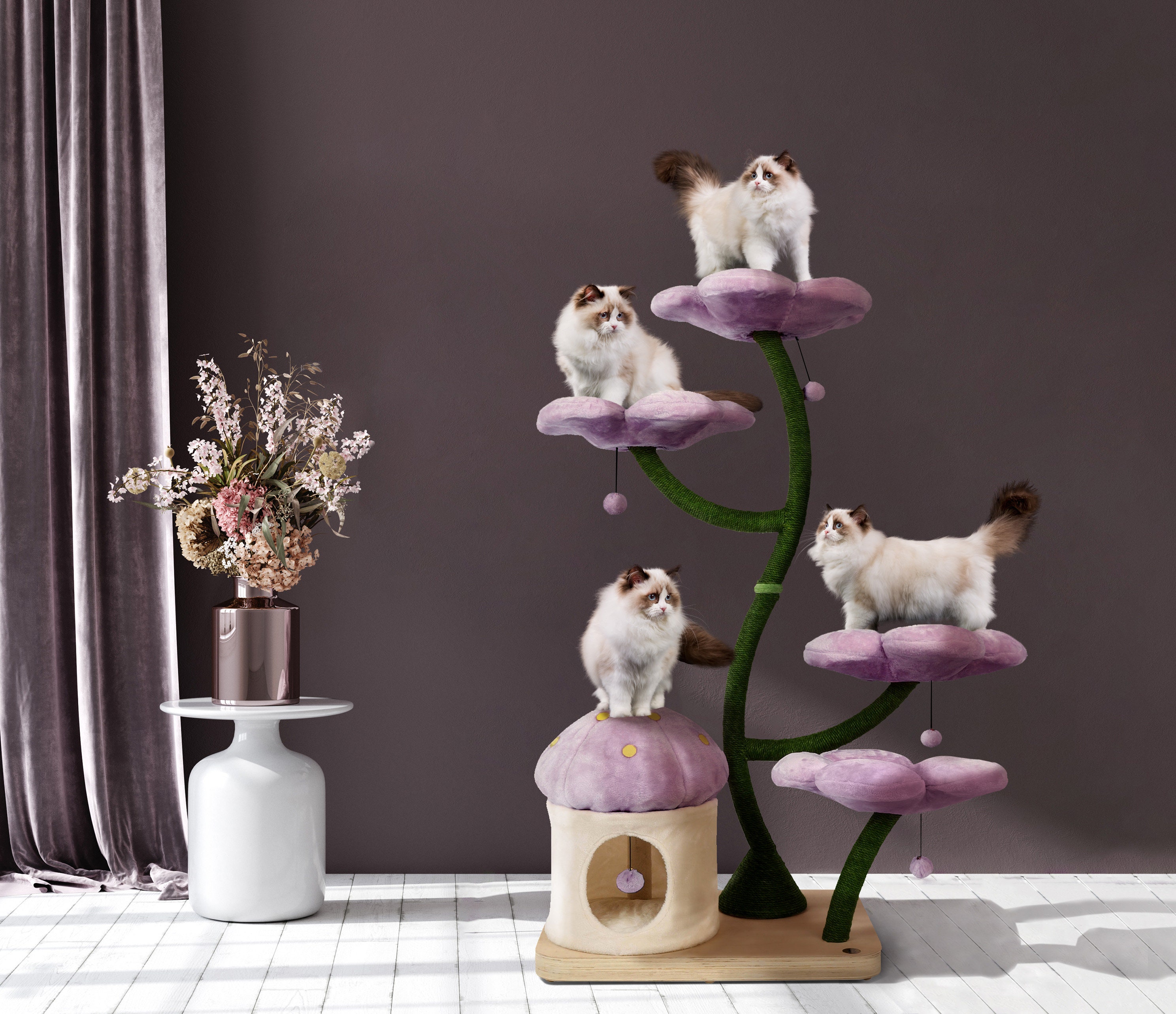
The story of domestic cats begins thousands of years ago in the ancient Near East, around 9,000 years ago. Early agricultural societies began to flourish, leading to the development of grain stores that attracted rodents. This abundance of prey caught the attention of wild cats, primarily the African wildcat, who began to frequent these settlements in search of food.
Humans and cats soon discovered a mutual benefit in their relationship. Wildcats helped to control the rodent population, which protected food supplies for humans. In return, cats enjoyed easy access to food near human habitation. Over time, this symbiotic relationship led to a gradual process of domestication, as the less skittish wildcats became more comfortable living alongside humans.
As cats spread across the globe, they adapted to various environments and developed distinct traits. Ancient Egyptians famously revered cats, associating them with the goddess Bastet. This cultural significance led to the proliferation of cats in homes, further solidifying their role within human society. By the time the Romans expanded their empire, they took cats along, helping to distribute them across Europe and beyond.
Throughout history, the bond between humans and cats has only deepened. From pest control to companionship, domestic cats have woven their way into the fabric of human life. Today, they are cherished pets in millions of households around the world, a testament to their remarkable journey from wild hunters to beloved family members.
Unique Cat Behaviors Explored
Domestic cats are not just beloved pets; they are fascinating creatures with a range of unique behaviors. Many cat owners have observed their feline friends engaging in quirky antics that can leave them both amused and puzzled. One such behavior is kneading, where a cat uses its paws to push in and out against a soft surface. This action is often reminiscent of how kittens knead their mother’s belly to stimulate milk flow. For adult cats, kneading can be a comforting action that brings back feelings of safety and warmth from their early days.
Another intriguing behavior is the infamous “cat loaf” position. Cats often sit with their paws tucked neatly underneath their bodies, resembling a loaf of bread. This posture indicates a sense of security and relaxation, as the cat feels safe enough to be vulnerable. It also allows them to spring into action quickly if necessary. Observing a cat in this position can prompt a smile, as it captures the essence of their cozy, contented nature.
Furthermore, cats possess a remarkable ability to communicate their feelings through their tails. A raised tail typically signifies a happy and confident cat, while a puffed-up tail can indicate fear or aggression. Understanding these subtle signals can enhance the bond between cats and their owners. Additionally, the famous “slow blink” or “cat kiss” is a loving gesture that involves closing their eyes slowly when they are near someone they trust. This simple act can strengthen relationships, showing that the cat feels secure with their human companions.
Lastly, the peculiar habit of bringing “gifts” to their owners is a behavior rooted in their hunting instincts. Cats may present their humans with toys, or sometimes even caught prey, as a way to share their successful hunting experience. While not all owners may appreciate these gifts, it is a testament to their instinctual drive and desire to bond with their human companions.
Caring for Your Feline Friend
Feeding your cat a balanced diet is another crucial aspect of their care. Cats are obligate carnivores, which means they thrive on a diet that is rich in meat. Look for high-quality cat food that lists meat as the first ingredient. Additionally, ensure they have access to clean, fresh water at all times. As you get to know your cat, you may discover their preferences for wet or dry food, and it’s important to cater to these likes while maintaining a healthy diet.
Regular veterinary check-ups will help keep your furry companion in top shape. Routine vaccinations, flea treatments, and dental care contribute to their long-term health. Pay attention to any changes in behavior or appetite, as these could signal a trip to the vet is needed. Spaying or neutering your cat is also an important decision that can positively impact their health and reduce the number of homeless cats.
Finally, don’t forget the power of love and attention in your cat’s life. Spend quality time playing with them, petting them, and observing their quirky behaviors. Cats often enjoy interactive playtime with wand toys or laser pointers, fostering both exercise and bonding. The more you engage with your cat, the stronger your relationship will grow, making both your lives richer and more enjoyable.
Understanding Cat Communication Techniques
Understanding how cats communicate can deepen our appreciation for these amazing creatures. While they may not speak our language, cats have a rich array of methods to express themselves. From vocalizations to body language, each technique reveals a lot about their feelings and intentions.
One of the most common ways cats communicate is through vocalizations. They can meow, purr, hiss, and growl, each sound conveying different emotions. For example, a soft purr often indicates contentment, while a loud hiss may signal fear or aggression. Interestingly, domestic cats have adapted their meows specifically to communicate with humans, often using a higher pitch to grab our attention.
Body language is also a significant aspect of cat communication. A cat’s tail position can tell you a lot about its mood. A high, twitching tail signifies excitement, while a low tail can indicate submission or fear. Additionally, when a cat approaches you with its tail held high, it's a friendly greeting, showing trust and affection. Watching these subtle cues can help you understand how your cat is feeling.
Another fascinating aspect of cat communication is the use of facial expressions. Cats often squint at other cats or humans to show they feel safe and at ease. Slow blinking is a sign of affection, a silent "I love you" in the feline world. Moreover, the positioning of their ears also plays a role—forward ears mean curiosity or excitement, while ears turned back can indicate annoyance or fear.